
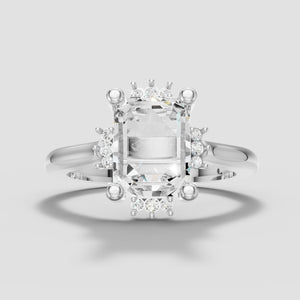
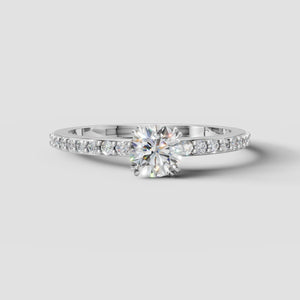
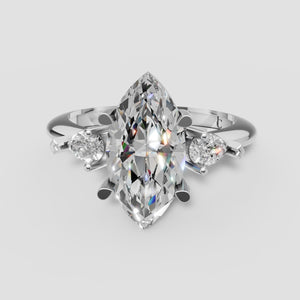
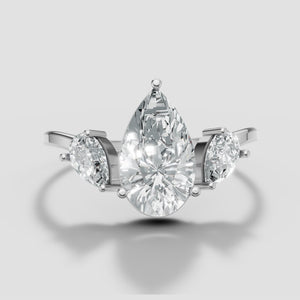
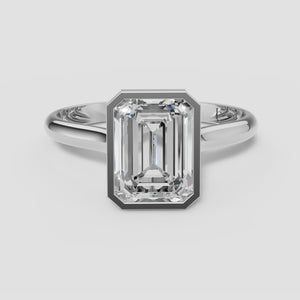
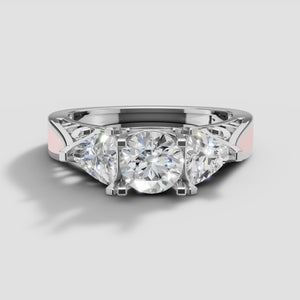
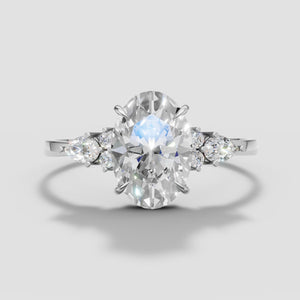
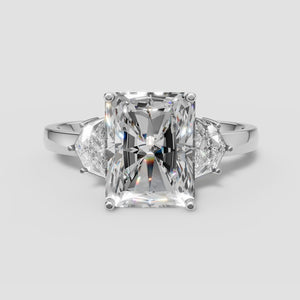

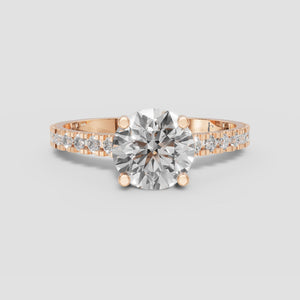


Choosing a setting for an active life
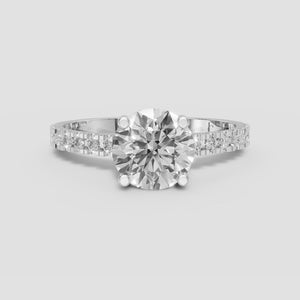
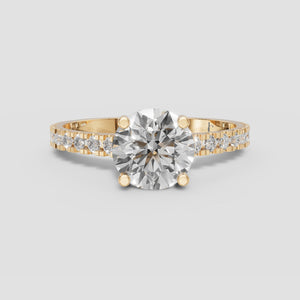
Bezel, low-set solitaire or halo: which settings survive gym bags, gardening and a toddler, and which are best kept for evenings.


Lab grown diamonds
On you
Real rings on real hands, sent in by the people who wear them.
Wearing Iveraco? Tag @iveraco and we may feature you here.

Ring builder
Choose one of our settings, then the diamond that sits in it: shape, carat, colour and clarity, every stone IGI certified. Priced as you go, made in Surat in three weeks.
IGI Laboratory Report
Laboratory grown diamond report
Verify this report at igi.org
Sample layout. Your report ships with your stone.
Every stone, on paper
The International Gemological Institute grades our stones the same way it grades mined ones: same scale, same instruments, same report. You get the paper, the inscription, and a way to check both yourself.
An IGI certificate ships with every stone
Shape, carat, colour, clarity and cut, graded by an independent laboratory before the stone reaches the bench.
The laser inscription matches the report
The report number is written on the girdle, too small to see without a loupe. Any jeweller can read it and confirm the stone is the one on the paper.
Verify any report yourself
Type the number into IGI's public register and see the same grades we show you, at igi.org (opens in a new tab).

Made for you
Bring a photograph, a drawing or an idea. Our jewellers in Surat turn it into a wax model you can hold, then into the piece you wear. Every stone IGI certified, every setting made by hand.
Bezel, low-set solitaire or halo: which settings survive gym bags, gardening and a toddler, and which are best kept for evenings.
Cut, colour, clarity and carat, and the one line most people skip: the laser inscription number that ties the paper to the stone.
A lab-grown diamond starts as a sliver of diamond seed and grows, atom by atom, over a few weeks. Here is what actually happens inside the chamber.


Lab grown diamonds, identical to mined down to the carbon. IGI certified, and cut by hand in Surat, where nine of every ten diamonds are cut.

